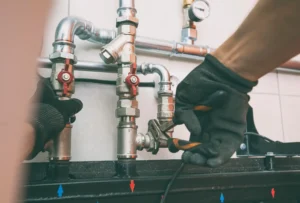
10 Signs You Have a Hidden Plumbing Leak in Your Home
Hidden plumbing leaks are one of the most common—and costly—problems homeowners face. Unlike a burst pipe or overflowing toilet, hidden leaks often develop slowly behind walls, beneath floors, under foundations, or inside crawl spaces. Because they aren’t immediately visible, these leaks can continue for weeks or even months before being discovered.
Throughout San Mateo County and the Peninsula, many homes contain aging plumbing systems that may be vulnerable to corrosion, worn fittings, deteriorating supply lines, and underground leaks. Left untreated, even a small leak can lead to significant water waste, mold growth, structural damage, and expensive repairs.
Knowing the warning signs of a hidden plumbing leak can help homeowners act quickly and protect their property.
Why Hidden Leaks Are So Dangerous
Many homeowners assume a leak will always be obvious. Unfortunately, hidden leaks often occur in places where water damage isn’t immediately visible.
Common hidden leak locations include:
- Behind drywall
- Under kitchen and bathroom cabinets
- Beneath slab foundations
- Inside ceilings
- Crawl spaces
- Underground water lines
- Behind shower walls
- Around plumbing penetrations
Even a small leak can waste thousands of gallons of water annually while slowly damaging building materials.
1. Unexpectedly High Water Bills
One of the first signs of a hidden leak is an increase in your monthly water bill.
If your water usage habits haven’t changed but your bill suddenly rises, your plumbing system may be losing water somewhere you can’t see.
Many homeowners discover leaks only after noticing several months of unusually high water charges.
If your bill continues increasing without explanation, a professional leak inspection is recommended.
2. Low Water Pressure Throughout the Home
Leaks can affect water pressure in several ways.
When water escapes from a damaged pipe before reaching fixtures, less water is available where it’s needed.
You may notice:
- Weak shower pressure
- Reduced sink flow
- Inconsistent water delivery
- Multiple fixtures losing pressure simultaneously
While low pressure can have other causes, hidden leaks should always be considered.
3. Water Stains on Walls or Ceilings
Water stains are often one of the clearest indicators of a hidden plumbing problem.
Common signs include:
- Brown discoloration
- Yellow stains
- Bubbling paint
- Peeling drywall
- Sagging ceiling materials
Even if the stain appears dry, active moisture may still be present behind the surface.
Water damage rarely improves on its own and should be investigated promptly.
4. Musty or Moldy Odors
Moisture trapped behind walls or beneath flooring creates ideal conditions for mold and mildew growth.
Homeowners frequently notice:
- Persistent musty smells
- Damp odors in bathrooms
- Unusual odors near cabinets
- Smells that worsen during humid weather
If unpleasant odors persist despite cleaning, hidden moisture may be present.
5. Mold Growth in Unusual Areas
Visible mold growth can indicate long-term water exposure.
Look for mold around:
- Baseboards
- Drywall seams
- Window trim
- Cabinets
- Closets
- Ceiling corners
Because mold often grows where moisture remains trapped, visible mold frequently indicates an underlying plumbing issue.
6. Warm or Damp Spots on Floors
Slab leaks are relatively common in homes built on concrete foundations.
A slab leak occurs when a water line beneath the foundation develops a leak.
Possible signs include:
- Warm areas on flooring
- Damp carpet
- Warped wood flooring
- Cracked tile
- Moisture appearing without explanation
Many Peninsula homes built on slab foundations are vulnerable to this type of plumbing problem.
7. Sounds of Running Water
If you hear water running when no fixtures are being used, your plumbing system may be leaking.
Homeowners often report:
- Hissing sounds
- Dripping noises
- Running water behind walls
- Sounds occurring overnight
These noises should never be ignored, especially when accompanied by higher water bills.
8. Cracks in Walls or Foundations
Long-term leaks can affect soil conditions beneath a home.
Excess moisture may contribute to:
- Foundation settlement
- Drywall cracks
- Floor movement
- Structural shifting
While cracks don’t always indicate plumbing problems, hidden leaks should be ruled out when foundation concerns appear.
9. Constantly Running Water Meter
Your water meter can be a valuable leak detection tool.
To test:
- Turn off all fixtures and appliances.
- Ensure no water is being used.
- Check the meter.
- Wait 30 minutes.
- Check again.
If the meter continues moving despite no water usage, a leak may be present.
10. Visible Pipe Corrosion
Exposed plumbing can provide clues about hidden issues elsewhere in the system.
Watch for:
- Green discoloration
- Rust buildup
- Mineral deposits
- Corroded fittings
- Pipe staining
Corrosion often develops before leaks become obvious.
Common Causes of Hidden Leaks
Several plumbing issues commonly cause hidden leaks throughout San Mateo County homes.
Aging Pipes
Older galvanized and copper plumbing systems eventually deteriorate.
High Water Pressure
Excessive water pressure places stress on pipes and fittings.
Corrosion
Minerals in water gradually wear down plumbing materials.
Poor Installation
Improperly installed plumbing components may fail prematurely.
Foundation Movement
Shifting soil can place stress on underground plumbing lines.
Professional Leak Detection Technology
Modern leak detection equipment allows plumbers to locate leaks with minimal disruption.
Common technologies include:
Acoustic Leak Detection
Sensitive listening equipment identifies the sound of escaping water.
Thermal Imaging
Infrared cameras detect temperature changes caused by hidden moisture.
Pressure Testing
Pressure tests help determine whether water is escaping from the plumbing system.
Electronic Leak Detection
Advanced sensors pinpoint leak locations with remarkable accuracy.
How Hidden Leaks Affect Home Value
Water damage can impact:
- Flooring
- Drywall
- Insulation
- Cabinets
- Foundations
- Indoor air quality
Unresolved leaks can also complicate home sales and inspections.
Addressing leaks early helps protect both property value and structural integrity.
Preventing Hidden Plumbing Leaks
While not all leaks can be prevented, homeowners can reduce risk through proactive maintenance.
Helpful recommendations include:
- Annual plumbing inspections
- Monitoring water pressure
- Replacing aging plumbing
- Addressing small leaks immediately
- Inspecting water heaters regularly
- Scheduling leak detection when warning signs appear
When to Call a Plumber
If you notice rising water bills, water stains, musty odors, damp flooring, or other signs discussed above, professional evaluation is recommended.
The sooner a leak is identified, the easier and less expensive repairs often become.
Steven Bailey Plumbing Leak Detection Services
Steven Bailey Plumbing provides professional leak detection, slab leak diagnosis, pipe repair, repiping, and plumbing inspection services throughout San Mateo County and surrounding Peninsula communities.
Our experienced plumbers use advanced diagnostic technology to locate hidden leaks accurately while minimizing unnecessary damage to walls, floors, and foundations.
Frequently Asked Questions
How much water can a hidden leak waste?
Even a small leak can waste thousands of gallons of water annually.
Can a leak cause mold?
Yes. Hidden moisture is one of the leading causes of mold growth inside homes.
Are slab leaks common?
Many California homes built on slab foundations experience slab leaks as plumbing systems age.
Should I worry about a small water stain?
Yes. Water stains often indicate an active plumbing issue behind the surface.
Can leak detection find leaks without opening walls?
In many cases, modern leak detection equipment can identify leak locations before invasive work is necessary.