Gas Line Installation, Repair, and Leak Detection
Licensed Gas Piping Contractor | San Francisco Bay Area
Gas Line Installation, Repair, Repiping & Leak Detection in San Francisco
Steven Bailey Plumbing & Rooter provides professional natural gas line installation, additions, repairs, complete repiping, electronic gas leak detection and gas piping pressure testing. From outdoor barbecues and fireplaces to water heaters, boilers and entire building gas distribution systems, we emphasize careful assessments, high-quality materials and properly tested installations throughout San Francisco, San Mateo County and Marin County.
Gas Line Installation | Electronic Leak Detection | Pressure Testing | Complete Repiping | CSST | Earthquake Shutoff Valves
Professional Natural Gas Piping for Homes & Commercial Properties
A natural gas distribution system supplies fuel to some of a property’s most important appliances and mechanical equipment. Gas-fired water heaters, tankless systems, boilers, furnaces, kitchen ranges, clothes dryers, fireplaces and outdoor cooking equipment all depend on appropriately designed and maintained gas piping. Steven Bailey Plumbing & Rooter provides gas line installation, repair, leak detection, pressure testing and complete gas repiping in San Francisco. Our work ranges from replacing a single appliance shutoff valve or repairing a leaking fitting to installing new gas branches and replacing extensive sections of aging gas distribution piping. We understand that gas piping requires particular care. The correct installation depends on the available gas supply, connected appliance demand, piping material, gas pressure, developed pipe length, approved fittings, equipment specifications and applicable fuel-gas requirements. A pipe that adequately served an older appliance may not provide sufficient capacity for newer equipment with different input requirements. Our approach emphasizes evaluating the existing system before recommending work, selecting suitable materials and fittings, communicating the proposed scope and completing the appropriate testing. We prioritize established manufacturers such as WARD and ANVIL for suitable threaded pipe fittings and also have experience installing qualifying corrugated stainless steel tubing, commonly called CSST.
For an additional measure of seismic gas safety, we install qualifying earthquake gas shutoff valves. These projects can be coordinated with existing gas piping repairs, gas meter-area modifications and comprehensive gas repiping.
Gas Line Installation & System Expansion
New Natural Gas Line Installation & Gas Piping Additions
New gas piping may be required when installing an additional appliance, renovating an existing building, constructing an addition or replacing equipment with substantially different gas-input requirements. These changes must account for the capacity of the entire connected gas distribution system. We evaluate accessible existing piping, proposed appliance loads, supply pressure and routing conditions before determining the necessary material and pipe sizing. Depending on the installation, the project may require a relatively short branch connection, a new dedicated appliance supply or a larger portion of the distribution system to be upgraded.
Gas Lines for New Appliances
We install qualifying gas branches for water heaters, tankless water heaters, boilers, furnaces, kitchen ranges, clothes dryers, fireplaces, outdoor grills and additional gas-fired equipment. Our scope may include the piping branch, suitable valves and fittings, approved piping supports and appropriate appliance termination or connection arrangements. A new appliance cannot automatically be connected to an existing branch without evaluating the relevant gas demand and installation conditions. We explain when the existing system can accommodate the equipment and when additional piping modifications may be necessary.
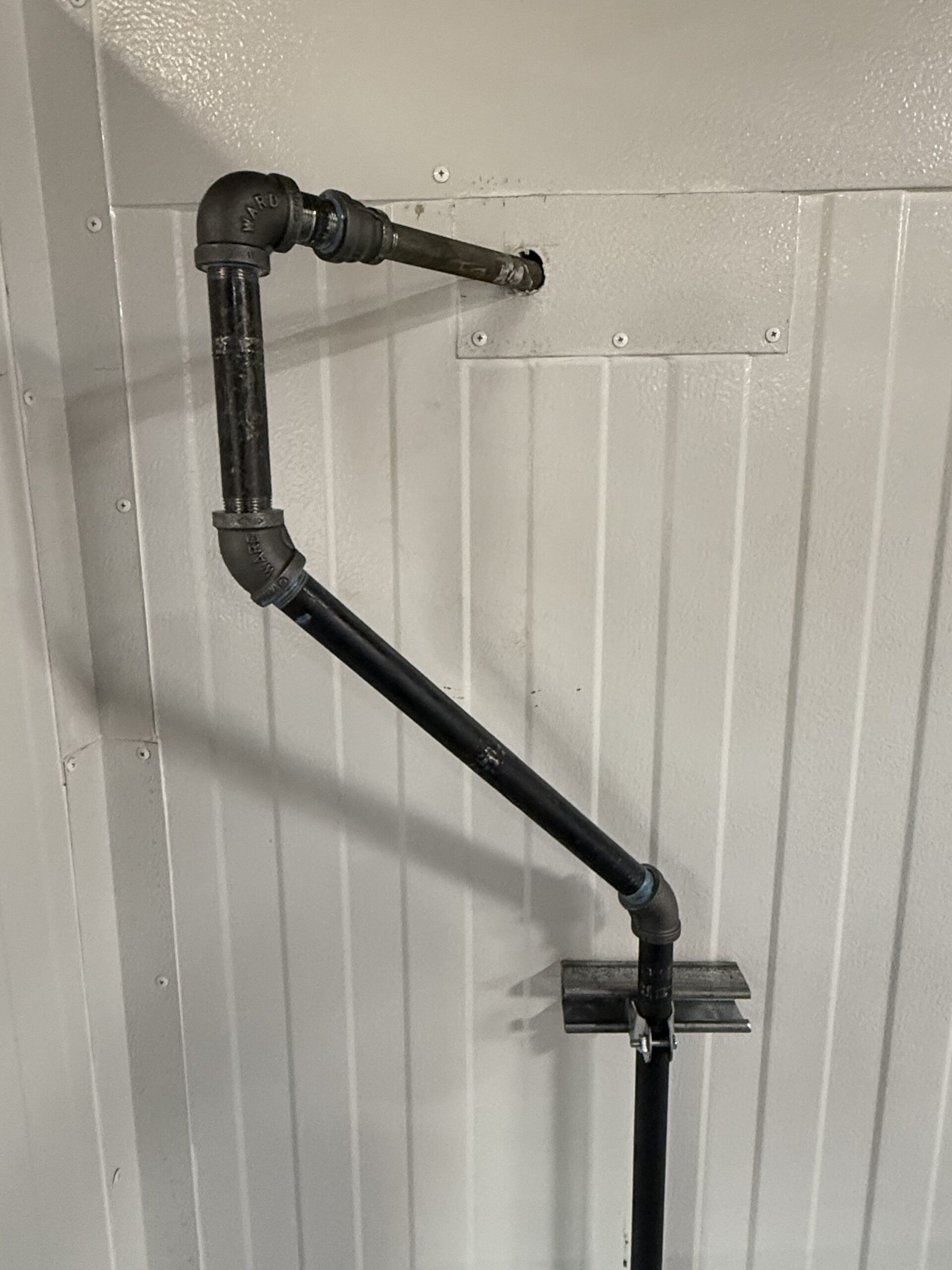
Black Steel Gas Pipe Installation
Threaded steel pipe is a well-established material for suitable gas distribution applications. Properly selected and supported rigid piping can be appropriate in garages, mechanical spaces, accessible building areas and qualifying exterior installations. We install black steel gas piping using suitable threaded connections, approved gas-rated valves, appropriate joint sealing materials and adequate supports. Pipe sizing and routing are determined according to the actual connected equipment, system conditions and applicable requirements.
Gas Line Additions & Branch Extensions
Adding a new gas appliance may require extending an existing pipe, installing a new branch connection or creating a separate route from an appropriate location within the distribution system. We consider available capacity, service accessibility, appliance demand and future maintenance needs when recommending a layout. Where the existing gas distribution system cannot adequately supply the additional load, we may recommend a larger upstream branch, an alternate piping arrangement or a more extensive system upgrade.
Gas Line Relocation During Remodeling
Kitchen and laundry renovations often involve relocating appliances. Moving a gas range, dryer, furnace or water heater may require modifications to the existing gas piping and changes to the appliance shutoff location. We evaluate qualifying gas line relocations and coordinate the authorized plumbing work with the project schedule. Drywall, tile, structural framing and finish restoration are separately addressed unless expressly included in the written proposal.
Gas Piping for Additions & New Construction
New construction and substantial renovations create opportunities to plan gas piping around the intended appliance locations and expected demand. We provide qualifying gas piping installation for residential additions, accessory dwelling units, mechanical equipment and suitable commercial projects. Appropriate planning includes pipe sizing, suitable routing, support requirements, appliance shutoff access and required testing and inspection procedures.
Explore our New Construction Plumbing and Kitchen Plumbing services for related installations.
Outdoor Living & Specialty Connections
Natural Gas Lines for BBQs, Fireplaces, Fire Pits & Outdoor Kitchens
Gas piping additions can make outdoor living spaces more convenient and support a wide variety of approved gas-fired appliances. The correct installation must account for the specific equipment, the building’s existing gas supply and the outdoor environmental conditions.
Natural Gas BBQ & Built-In Grill Installation
We install natural gas piping for qualifying outdoor barbecues, built-in grills and cooking appliances. A permanent natural gas connection can be useful for homeowners who want to avoid relying on portable propane cylinders, provided the appliance is approved for the intended fuel. Before installation, we evaluate the appliance’s gas input, required fuel type, location, connection requirements and available gas piping capacity. Propane-only equipment cannot simply be connected to natural gas without an approved manufacturer-supported conversion where permitted.
Outdoor Kitchens & Multiple Gas Appliances
Outdoor kitchen installations may include a grill, side burner or other approved gas-fired cooking equipment. When several appliances are served by one distribution system, the combined demand must be considered during piping design. We evaluate suitable pipe routing, isolation valves, approved outdoor connection arrangements and the applicable requirements for protecting piping from weather, corrosion and mechanical damage.
Gas Fireplaces & Fireplace Inserts
We install qualifying natural gas supply piping for fireplaces, approved gas logs and fireplace inserts. The equipment must be suitable for the intended gas supply, and the installation must account for the manufacturer’s required connection and shutoff arrangements. Chimney, firebox, combustion-air, venting and fireplace appliance installation requirements may involve additional qualified contractors or separately authorized work.
Outdoor Fire Pits & Patio Heaters
Gas fire pits, patio heaters and other outdoor features can require dedicated piping with equipment-specific gas-input and operating-pressure requirements. We evaluate qualifying installations based on the equipment specifications, proposed location and applicable requirements. Not every gas-fired outdoor feature is permitted in every location. Required permits, clearances and local restrictions should be reviewed before equipment is purchased or installed.
Water Heating & Mechanical Equipment
Gas Line Installation for Water Heaters, Tankless Systems & Boilers
Water heating and space-heating equipment can place significant demand on a building’s gas distribution system. When replacing an older appliance with a higher-input model, the existing gas piping should be evaluated to determine whether it can provide the required fuel supply. Our plumbing and mechanical experience allows us to address qualifying gas piping modifications as part of water heater, boiler and related equipment installations. We consider appliance input ratings, available supply pressure, piping configuration and the demands of other connected appliances.
Traditional Gas Storage Water Heaters
Conventional gas storage water heaters require an appropriate gas supply, accessible appliance shutoff valve and manufacturer-compliant connection arrangement. Depending on the installation, a replacement may involve new threaded piping, suitable fittings and an appropriate sediment trap.
We install and repair qualifying gas storage-tank water heaters, including models manufactured by Bradford White and A. O. Smith.
Gas Shutoff Valves & Sediment Traps
A properly selected and accessible gas shutoff valve allows an appliance to be isolated for appropriate maintenance, servicing or replacement. Sediment traps, sometimes referred to as drip legs, may be required for certain gas appliance installations to help collect debris or condensate before it reaches sensitive equipment controls. We prioritize suitable shutoff valves, compatible threaded components and correct piping arrangements based on the appliance instructions and applicable fuel-gas requirements. The location and configuration of a sediment trap must be appropriate for the actual installation.
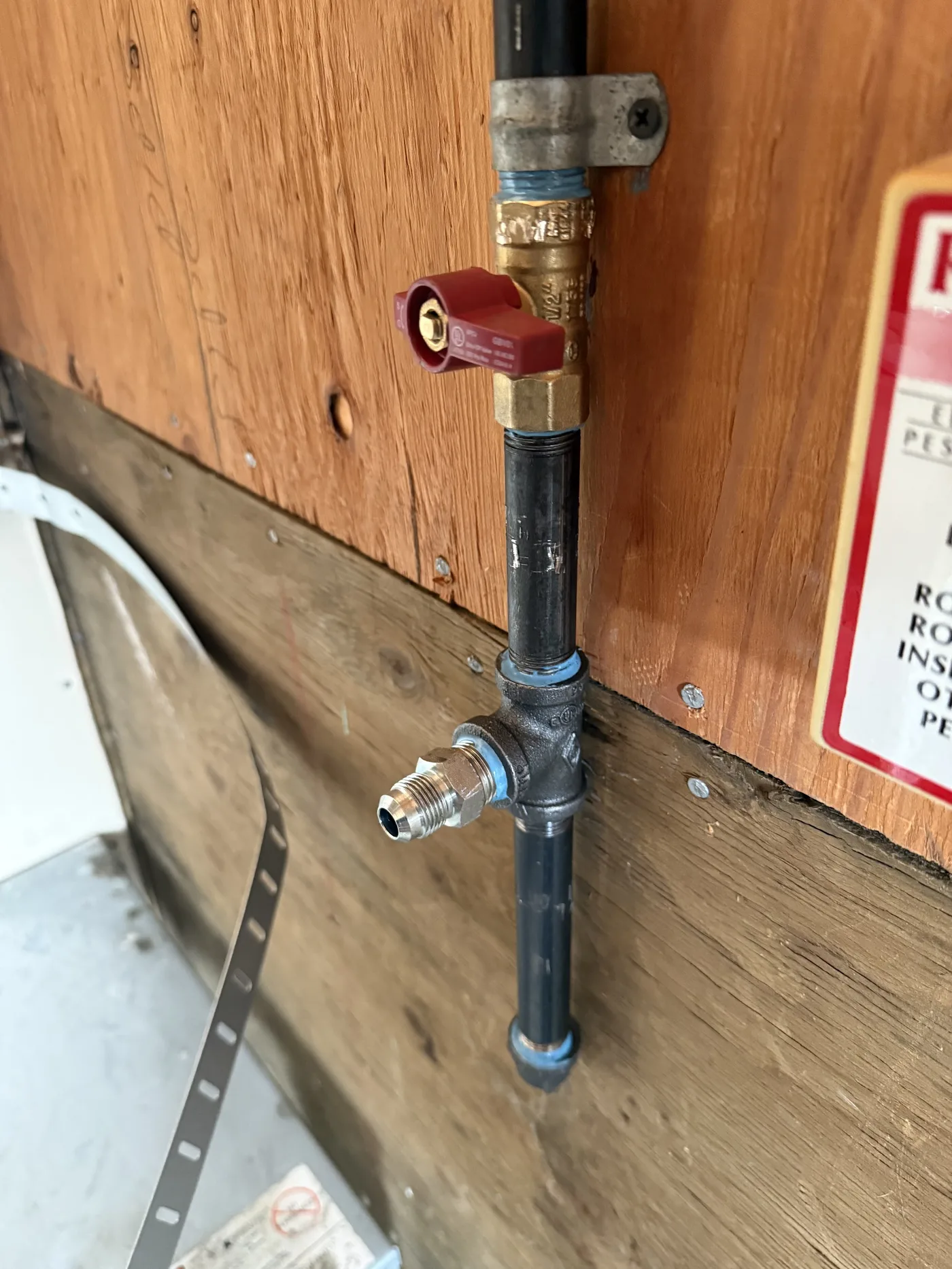
Tankless Water Heater Gas Line Upgrades
Some tankless water heaters have substantially greater maximum gas-input requirements than traditional storage models. Depending on the existing pipe sizing, developed length, gas pressure and connected appliance loads, a tankless installation may require changes to the gas supply. We evaluate the fuel supply during qualifying tankless water heater installations, including appropriate Navien NPE tankless systems. Not every tankless installation requires a larger gas line, but the adequacy of an existing line must be determined using actual system and manufacturer requirements rather than assumption.
Direct-Vent & Power-Vent Gas Water Heaters
Direct-vent and power-vent gas water heaters have equipment-specific fuel, venting and combustion-air requirements. Changes in appliance location or input rating may require gas piping modifications. Our services include qualifying direct-vent and power-vent water heater installation and repair, including appropriate high-efficiency gas water heating products.
Combination Boilers & Hydronic Heating
Combination boilers and other gas-fired hydronic appliances require a fuel supply designed for their operating requirements. Appropriate gas capacity, shutoff arrangements and connection methods are important considerations during installation and commissioning. We provide qualifying work involving combination boilers, Navien water heating and boiler equipment and hydronic heating systems.
Furnaces & Commercial Water Heating Equipment
We also evaluate qualifying gas piping supplying furnaces, commercial water heaters and other suitable gas-fired mechanical equipment. Commercial systems may serve multiple large appliances and require coordinated distribution capacity.
Explore our Commercial Water Heater Services and A. O. Smith Cyclone Water Heater services.
Materials & Professional Workmanship
Quality Gas Pipe Fittings — Our Preference for WARD & ANVIL
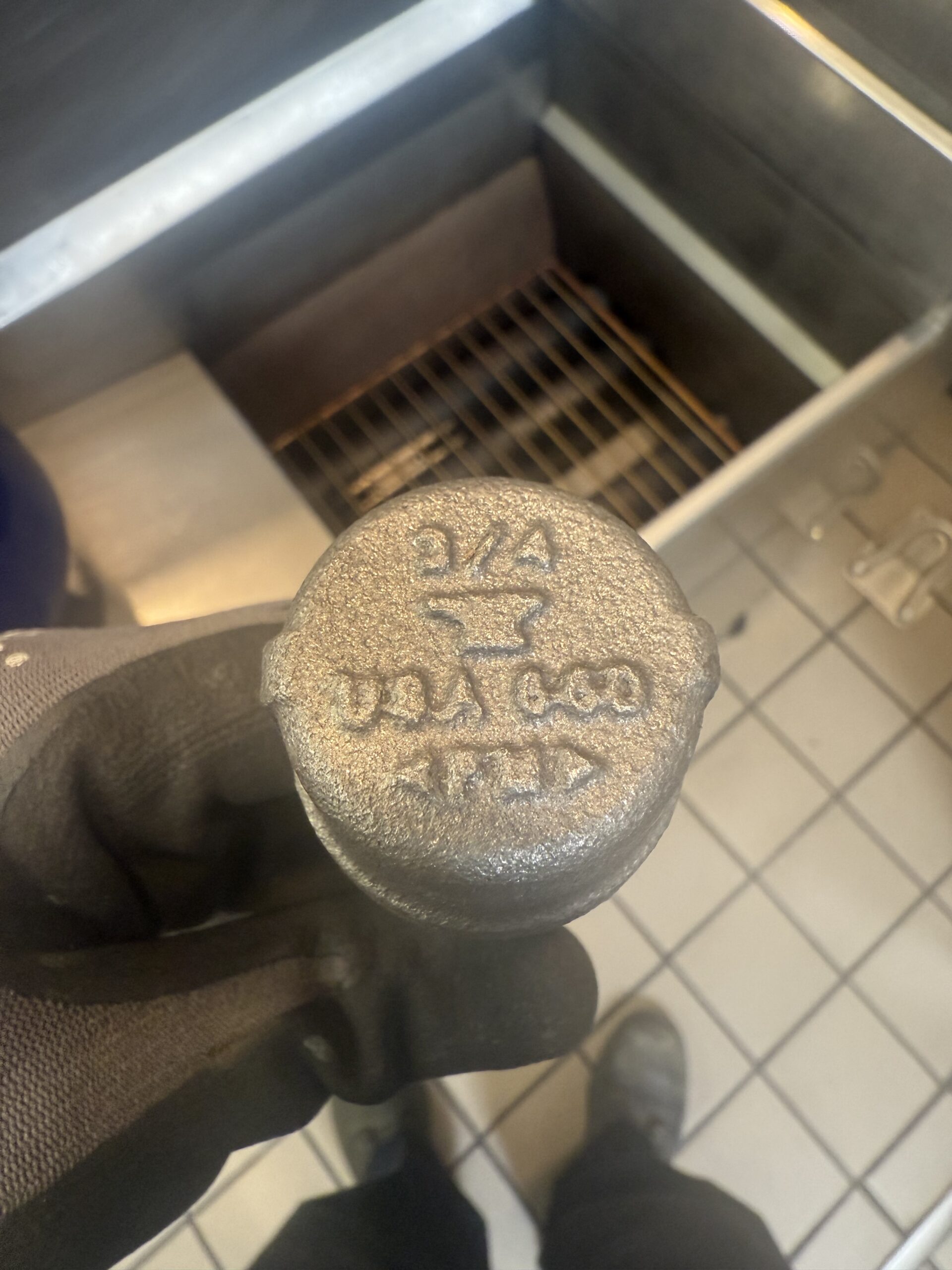
We believe the materials selected for a gas piping installation should be appropriate for the application and sourced from established manufacturers with identifiable product specifications. Steven Bailey Plumbing & Rooter prioritizes using high-quality, made in USA pipe fittings from manufacturers such as WARD and ANVIL for suitable threaded gas piping applications. We value reliable product identification, dimensional consistency, appropriate material specifications and fittings designed for the required service conditions. Our emphasis on quality materials reflects a broader professional philosophy. A fitting should not be selected solely because it is inexpensive or readily available. It must be compatible with the piping system and appropriate for the particular installation.
WARD Threaded Pipe Fittings
WARD is an established manufacturer associated with threaded malleable iron fittings and other piping products. We favor appropriate WARD components when their specifications are suitable for the gas piping system being installed. Threaded fittings must have the correct material, finish, pressure rating and application suitability. Product identification is important, particularly where equipment or piping connections may be modified in the future.
ANVIL Pipe Fittings
ANVIL is another established name in piping products, including threaded fittings used in various plumbing and mechanical applications. We prioritize suitable ANVIL components where their specifications meet the demands of the installation. We also prefer American-made materials when suitable products are available. Manufacturing origin can vary by product and manufacturer, so country-of-origin claims should be confirmed for individual components rather than assumed for every item under a particular brand.
Proper Thread Preparation & Installation
Quality fittings are only one part of a dependable piping system. Properly prepared threads, approved gas-compatible joint sealing materials, fitting alignment, appropriate piping supports and protection against mechanical damage are important installation considerations. We also evaluate accessibility for appliance shutoff valves, future equipment service and required testing. The visible appearance of a completed gas line does not replace the need for applicable code compliance, leak checks and pressure testing.
Alternative Gas Distribution Materials
CSST Gas Piping Installation — Corrugated Stainless Steel Tubing
In addition to rigid steel piping, Steven Bailey Plumbing & Rooter has experience working with qualifying corrugated stainless steel tubing (CSST) systems. CSST is a flexible gas distribution product used in certain approved installations where its routing characteristics can offer advantages over rigid threaded pipe. CSST is not the same as a short flexible gas appliance connector. It is a manufactured distribution piping system with its own approved fittings, installation instructions, protection requirements and limitations.
When CSST May Be Appropriate
Depending on the structure and the selected listed tubing system, CSST may offer an efficient route for certain appliance branches or distribution piping. Its flexibility can reduce the number of directional fittings necessary in suitable installations. We evaluate routing, access, concealment, mechanical protection and manufacturer restrictions before recommending CSST. Rigid steel piping may be preferable in other conditions.
Manufacturer-Specific Fittings & Installation Requirements
CSST products rely on manufacturer-approved connection systems and specific installation requirements. Tubing and fittings from unrelated systems cannot be assumed interchangeable. We follow the applicable manufacturer’s directions for fitting assembly, permitted routing, support spacing, bend limits, mechanical protection and related installation details.
CSST Bonding & Electrical Coordination
CSST installations may require specific electrical bonding arrangements based on the tubing type, product listing, manufacturer instructions and locally adopted code requirements. Where electrical bonding work is required outside our authorized installation scope, it must be performed or coordinated through an appropriately licensed electrical contractor.
CSST or Black Steel?
We do not treat either material as universally superior. Rigid black steel can be appropriate for exposed and suitably supported piping, while CSST may provide routing flexibility in qualifying distribution systems. The right material depends on the application, accessibility, environmental conditions, manufacturer requirements and approved design.
Specialized Testing & Diagnostics
Electronic Gas Leak Detection, Gas Sniffers & Pressure Testing
Gas piping problems are not always visible. Leaks can develop at threaded connections, shutoff valves, appliance connectors, damaged piping or other components, and some defects may be difficult to identify without appropriate testing. Steven Bailey Plumbing & Rooter provides qualifying natural gas leak investigation, electronic gas detection and gas piping pressure testing. We use professional electronic gas-detection instruments, commonly called electronic gas sniffers, as part of appropriate leak investigations. We also perform suitable leak checks and authorized pressure tests when the condition and scope require them. These methods serve different purposes. Electronic detection can help identify the presence of combustible gas near accessible locations. Leak-detection solutions can help confirm leakage at suitable exposed connections. A formal pressure test evaluates whether an appropriately isolated piping system maintains the specified test conditions over the required period.
Electronic Gas Sniffer Testing
Electronic combustible-gas detectors are designed to respond to the presence of certain fuel gases. When used appropriately, these instruments can help a technician investigate potential leakage around accessible pipe fittings, valves, appliance connections and other locations where escaping gas may be present. We use electronic gas sniffers to assist in identifying suspicious areas and narrowing the location of potential leaks. The readings must be interpreted according to the instrument’s capabilities, calibration or functional-check requirements, sensitivity, environmental conditions and the actual gas being investigated. An electronic gas detector can assist with leak detection, but it does not automatically establish the exact source of every leak or replace a formal piping pressure test where one is required.
Checking Gas Fittings & Accessible Connections
Leak investigation may include checking suitable accessible connections using approved leak-detection methods. For example, an appropriate gas leak-detection solution may be applied to an accessible fitting to help determine whether gas is escaping at that connection under suitable operating conditions. We evaluate the affected piping and relevant connections before recommending repairs. When the source cannot be identified through accessible testing, additional isolation, pressure testing or investigative access may be necessary.
Gas Piping Pressure Testing
We perform qualifying pressure testing of gas piping systems when required by the authorized project, applicable code, permitting process or the need to investigate the integrity of an appropriately isolated piping section. A formal gas pressure test uses suitable test equipment and a specified test medium, pressure and duration in accordance with the applicable requirements. Gas appliances, regulators, meters and other components must be appropriately isolated or disconnected as required by the particular test procedure. Pressure testing is especially relevant during new gas line installation, significant piping modifications, complete gas repiping, qualifying leak investigations and certain utility or inspection-related service restoration procedures. The required test pressure, test duration, approved medium and acceptance criteria depend on the applicable code, jurisdiction, system and project. We do not represent a simple operational leak check as equivalent to a formal code-required pressure test.
Gas Leak Isolation & Sectional Testing
When a gas distribution system has multiple appliance branches, determining which portion of the system is affected may require an appropriate isolation strategy. Depending on existing shutoff valves and available access, sectional investigation can help distinguish problems in one branch from conditions affecting a larger distribution system. Some systems may require additional temporary modifications or access before individual sections can be appropriately evaluated. These procedures are addressed under a separately authorized diagnostic or repair scope when necessary.
Gas Leak Testing After Repairs
After completing a qualifying gas piping repair, we perform the appropriate leakage checks and required testing for the modified section before returning it to service. The exact verification procedures depend on the work performed and applicable code or inspection requirements. For larger projects, required pressure testing and inspections may be performed before the system is connected to appliances or restored to normal operation.
Gas Utility Red Tags & Failed Tests
If a gas utility has shut off service or issued a safety notice because of suspected leakage or an unsafe gas piping condition, we can evaluate qualifying customer-owned piping and discuss the required repairs. Depending on the circumstances, restoring gas service may require a permitted repair, code-compliant pressure test, inspection and authorization from the serving gas utility. We cannot guarantee immediate restoration merely because a visible defect has been repaired.
What Gas Leak Testing Cannot Guarantee
Electronic gas detection and pressure testing provide information about the conditions evaluated at the time of service. They do not guarantee that an untested concealed portion of piping is defect-free or that no future leakage can occur. Testing scope, access limitations, conditions of the existing piping and any excluded sections should be documented when relevant. We explain when additional investigation is warranted rather than making unsupported guarantees about concealed systems.
Request Gas Leak Detection or Testing →
Suspected active gas leaks are emergencies. Evacuate the affected area and contact the gas utility or emergency services from a safe location before scheduling ordinary plumbing service.
Corrective Gas Piping Service
Gas Line Repair & Corroded Gas Pipe Replacement
Gas piping systems can develop problems due to deterioration, corrosion, damaged fittings, improper modifications, physical impact and other conditions. Some leaks are confined to a single accessible connection, while others indicate a broader piping issue requiring more extensive corrective work. We provide qualifying gas line repairs, replacement of deteriorated sections, shutoff valve replacement, leak investigation and piping modifications. We evaluate the reported problem, determine the appropriate diagnostic approach and explain the proposed repair before proceeding with authorized work.
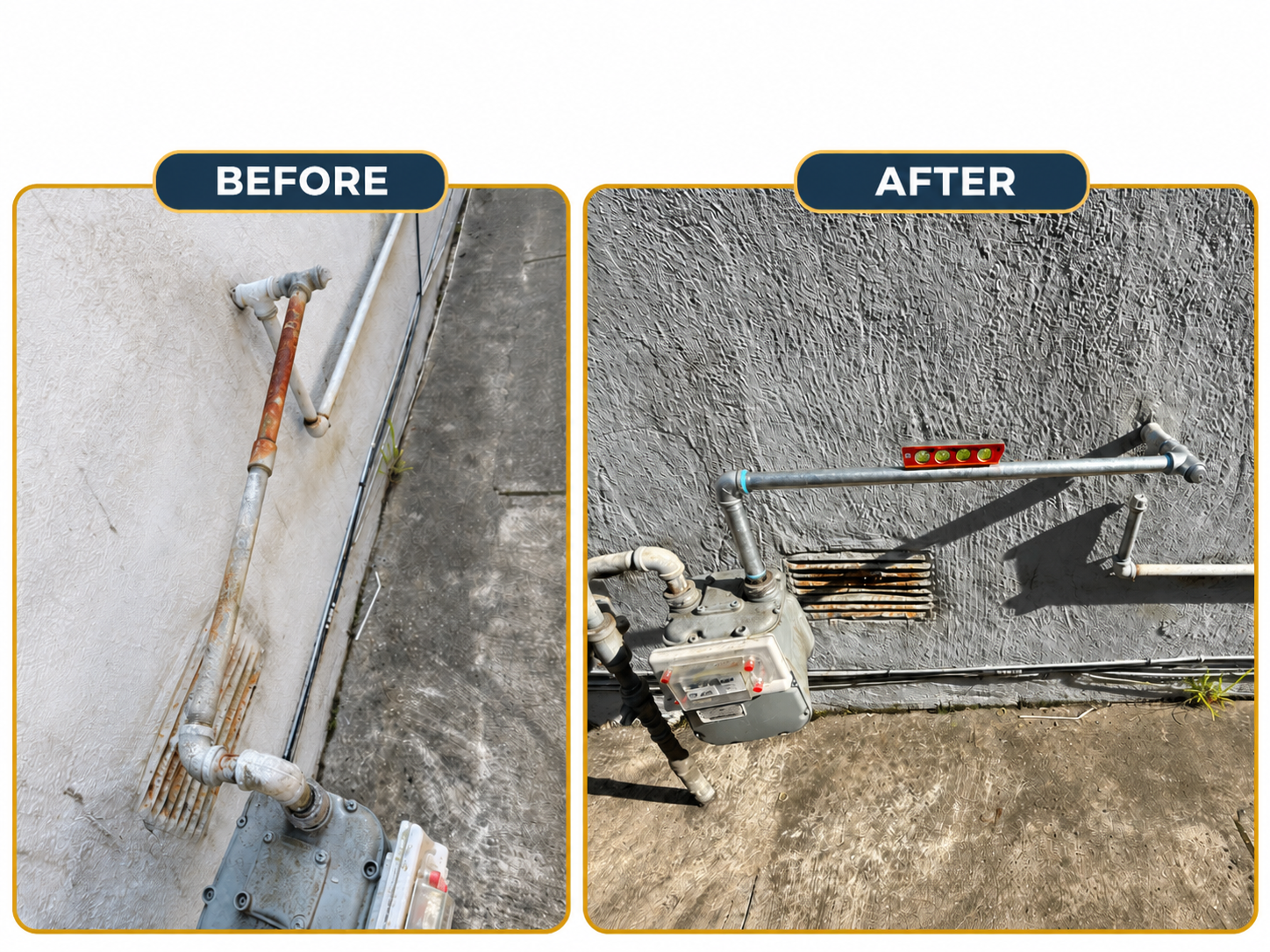
Corroded Exterior Gas Piping
Exterior steel gas piping is exposed to moisture, temperature changes and other environmental conditions. Over time, protective coatings may deteriorate and corrosion can develop along the pipe or threaded connections. Light surface corrosion and significant structural deterioration are not equivalent. We evaluate visible conditions, relevant connections and the extent of damage before recommending an appropriate repair or replacement. Where deterioration is significant, affected piping may require replacement with suitable material and fittings, followed by applicable testing before service is restored.
Gas Leaks at Threaded Fittings
Threaded fittings can develop leakage because of deterioration, damaged components, improper installation or other conditions. We use appropriate assessment and leak-detection methods to investigate accessible connections. Depending on the condition, repair may require replacement of the affected fitting, disassembly and reconstruction of part of the piping arrangement, or installation of a new properly supported pipe section.
Gas Shutoff Valve Replacement
Appliance shutoff valves may become difficult to operate, leak externally or fail to isolate the downstream equipment properly. We replace qualifying defective valves using appropriate listed products and compatible connections. Valve replacement requires a safe means of isolating the affected gas supply. Where local isolation is unavailable, a broader system shutdown or utility coordination may be necessary.
Damaged Gas Lines During Construction
Gas piping may be damaged during remodeling, excavation, drilling or demolition. We evaluate qualifying customer-owned damaged piping and determine an appropriate repair method based on the material, accessibility and extent of the damage. If gas service has been shut off for safety, restoration may require pressure testing, permits, inspection or gas utility authorization.
Repair Verification & Testing
Once the authorized repair has been completed, the affected installation is checked using appropriate leak-detection procedures or required pressure testing. Formal pressure tests are completed when necessary for the scope and applicable code or inspection process. The goal is to identify and correct the documented problem while making clear which portions of the gas system were included in the authorized evaluation.
Major Gas System Replacement
Complete Gas Line Repiping & Whole-Property Gas System Replacement
Sometimes a gas piping system requires more than an isolated repair. Buildings with extensive corrosion, multiple leaking sections, unsuitable pipe sizes, abandoned branches or significant renovation requirements may benefit from replacing substantial portions of the existing distribution system. Steven Bailey Plumbing & Rooter provides qualifying complete and partial gas repiping services for residential and commercial properties. We evaluate the property’s intended appliance loads, supply conditions, accessible piping routes and relevant code requirements before preparing a replacement proposal.
Replacing Aging Steel Gas Lines
Older buildings may contain piping that has been modified repeatedly as appliances were replaced or new equipment was added. These alterations can create a complicated system with abandoned branches, unsuitable routing, deteriorated fittings and difficult access. A coordinated gas repipe provides an opportunity to replace aging components and establish an appropriately designed distribution layout for the property’s current needs.
Correcting Undersized Gas Piping
An older piping system may not have been designed to supply modern high-input equipment or additional gas appliances. When demand increases, the total connected load and capacity of the gas service must be considered. We evaluate the necessary piping changes and coordinate with the serving utility when meter capacity, service pressure or utility-owned equipment must be addressed.
Gas Repiping During Major Remodeling
When walls and ceilings are open during a substantial remodel, it may be practical to replace or reorganize gas piping instead of modifying the older system one branch at a time. We can develop qualifying piping layouts for revised appliance locations, new mechanical equipment and additional gas branches, subject to the project’s access and code requirements.
Pressure Testing a New Gas Distribution System
Testing is a critical part of a complete gas repipe. Before the new distribution system is returned to operation, the applicable piping must undergo required pressure testing and inspection according to the adopted code and project requirements. We identify the required testing and approval process in the project scope. New gas piping is not placed into service merely because the connections appear properly assembled.
Earthquake Valve Upgrades During Repiping
Complete gas piping replacement may also be an appropriate time to evaluate installation of an earthquake gas shutoff valve near a suitable location in the customer-owned distribution system. Valve sizing, location, orientation and approved installation requirements must be evaluated separately from the rest of the new piping.
Access, Demolition & Restoration
Complete gas repiping may require opening walls, ceilings or other building surfaces to reach the intended route. The written proposal identifies the plumbing work and any included access openings. Drywall, tile, painting, waterproofing, concrete restoration, excavation, electrical bonding work and structural modifications are excluded unless expressly included. Work involving utility-owned gas piping requires coordination with the appropriate utility.
Seismic Gas Safety
Earthquake Gas Shutoff Valve Installation & Replacement
In an earthquake-prone region such as the San Francisco Bay Area, property owners may want additional safeguards for their natural gas systems. An appropriately selected seismic gas shutoff valve is designed to automatically interrupt gas flow when specified seismic movement activates the device. Steven Bailey Plumbing & Rooter provides qualifying earthquake gas shutoff valve installation and replacement for homes and businesses throughout San Francisco, San Mateo County and Marin County.
How an Earthquake Gas Shutoff Valve Works
A mechanical seismic gas shutoff valve responds to specified movement rather than detecting the presence of escaping gas. The mechanism and activation characteristics depend on the selected listed product. This makes a seismic shutoff valve fundamentally different from an electronic gas sniffer, combustible-gas alarm or gas piping pressure test. Each addresses a different aspect of gas safety.
Installation Near the Gas Meter
Depending on the property’s arrangement, an approved location near the gas meter may be suitable for a seismic shutoff valve. Installation requires evaluating piping ownership boundaries, access, valve size, manufacturer requirements, approved orientation and available clearance. The installation may require modification of the existing piping and appropriate testing before service restoration.
Earthquake Valve Installation with Gas Line Repairs
When substantial gas piping modifications are already planned, installing a seismic shutoff valve may be coordinated with the larger project. This can be particularly relevant during gas meter-area piping replacement or complete gas repiping.
Earthquake Valves & Gas Water Heater Installation
Homeowners replacing a gas water heater may also wish to evaluate their existing seismic shutoff protection. When appropriate, we can discuss the gas appliance installation and earthquake valve project together. Our company installs qualifying gas storage water heaters and tankless water heaters, allowing related gas supply requirements to be reviewed during the equipment installation process.
Insurance Requirements & Seismic Gas Protection
Some insurers require an approved seismic gas shutoff valve as a condition of coverage or may offer qualifying discounts. Customers should confirm the specific device, approval requirements and documentation accepted by their insurer before installation. A seismic gas shutoff valve does not guarantee that every gas leak will be prevented or that an insurance company will accept any particular device.
For complete information about seismic valve installation, replacement and property insurance considerations, visit our Earthquake Gas Shutoff Valve Installation page.
What to Do If You Suspect a Natural Gas Leak
Natural gas supplied by utilities is typically odorized so escaping gas can be detected by smell. The odor is often described as sulfur-like or resembling rotten eggs. Other possible warning signs include a hissing sound, visible piping damage or a notice from the gas utility. If you suspect an active gas leak, leave the affected building or area immediately and move to a safe location. Do not operate electrical switches, lights, appliances, garage door openers or other devices that may create an ignition source. Do not use an open flame or attempt to locate the leak yourself. From a safe location, contact the serving gas utility’s emergency response service. Call 911 when an immediate emergency exists. Do not return to the affected area until emergency responders or the gas utility have advised that it is safe. Once the immediate hazard has been addressed, our company can evaluate qualifying customer-owned piping for authorized leak detection, pressure testing and repair. Gas leaks and carbon monoxide exposure are different hazards. Carbon monoxide is generally odorless and can result from incomplete combustion or other equipment problems. Suspected carbon monoxide exposure also requires immediate evacuation and emergency assistance.
Our Approach to Gas Line Installation, Leak Detection & Repairs
1. Assess the Existing Conditions
We begin by reviewing the customer’s concern and evaluating accessible gas piping, equipment and relevant installation conditions. Where appropriate, this includes reviewing appliance input requirements, piping configuration, shutoff locations and signs of deterioration.
2. Recommend Appropriate Diagnostics
When leakage is suspected, we determine which investigative methods are suitable. This may involve electronic gas detection, checking accessible fittings, appropriate isolation procedures or separately authorized pressure testing.
We explain the available diagnostic approach and its limitations before undertaking additional work.
3. Prepare a Clear Repair or Installation Scope
We identify the proposed work, relevant materials, access requirements and any separate permits, inspections or third-party services. For larger projects, this may include a coordinated pipe replacement layout and formal pressure testing requirements.
4. Perform the Authorized Work
Once approved, the affected system is appropriately isolated and the authorized piping installation, repair or replacement is performed using suitable components and installation methods.
5. Test & Verify
We conduct appropriate leakage checks and required pressure testing or inspections for the work performed. Verification procedures depend on the installation and applicable requirements rather than a single universal test for every service.
6. Restore Service When Authorized
Gas service is restored when applicable safety, testing, inspection and utility requirements have been satisfied. We review relevant completed work and operating considerations with the customer.
Commercial Gas Piping Installation, Repairs & Testing
Commercial gas systems may supply multiple large appliances, commercial kitchens, high-capacity water heaters, boilers, rooftop equipment and other mechanical systems. These installations can have different operating requirements and service demands than ordinary residential equipment. We provide qualifying commercial gas line installation, piping replacement, leak investigation, shutoff valve replacement and gas distribution modifications. We also perform appropriate testing when required by the authorized work and applicable requirements.
Restaurant Gas Lines & Cooking Equipment
Restaurants may operate ranges, fryers, ovens, grills and other equipment requiring substantial gas demand. Installing or relocating this equipment can require changes to branch piping, supply capacity and accessible isolation arrangements.
Our Restaurant Plumbing Services also cover qualifying kitchen fixtures, commercial drains, grease-control plumbing and other facility needs.
Commercial Water Heaters & Boilers
Commercial gas-fired water heating equipment may require a more extensive gas distribution arrangement, especially where several high-input appliances operate simultaneously.
We work with qualifying commercial water heating systems, including applicable A. O. Smith Cyclone installations.
Commercial Gas Leak Investigation
When a commercial property has suspected leakage or has been shut down due to a gas piping condition, we can evaluate qualifying customer-owned piping, discuss appropriate diagnostic testing and prepare a repair scope. Building access, tenant coordination, equipment isolation, permit requirements and utility service restoration must be addressed according to the facility and project.
Service Estimates & Project Financing
Gas Line Installation, Leak Testing & Repair Pricing
The cost of gas piping work depends on the nature of the problem, existing pipe materials, access, required fittings, appliance loads, approved testing methods, permits and any necessary restoration or utility coordination. A simple accessible fitting replacement, a comprehensive gas leak investigation and a complete property repipe involve different scopes of work. We generally do not provide definitive project prices over the telephone because important conditions often require onsite evaluation.
Standard $97 Dispatch Fee
Our standard dispatch fee is $97 for an onsite service visit and initial assessment. The $97 dispatch fee is waived when an approved repair is authorized. This policy is subject to the applicable service conditions and does not automatically apply to every diagnostic, test, warranty appointment or installation estimate.
Separately Authorized Gas Diagnostics & Pressure Testing
Some suspected gas leaks require more extensive investigation beyond an ordinary initial assessment. Our separately authorized comprehensive technical diagnostic is ordinarily priced at $299 where applicable. Electronic gas detection, sectional investigation, formal pressure testing, permit-related testing and system commissioning may involve different procedures and costs. Their inclusion depends on the approved diagnostic or project scope. A required formal pressure test should not be assumed to be included merely because a technician performs an initial leak assessment.
Financing for Complete Gas Repiping & Larger Installations
Qualifying larger gas line projects may be eligible for financing through Wisetack. This can be especially useful when a customer is considering extensive gas piping replacement, system upgrades or an eligible project involving a new gas-fired water heater. Potential financing amounts range from $500 to $65,000, subject to lender approval, project eligibility and available terms. Business-purpose and commercial financing eligibility must be confirmed separately.
Financing is provided through Wisetack and participating lending partners, subject to eligibility, credit approval and applicable terms. Steven Bailey Plumbing & Rooter is not the lender.
Preferred Customer Benefits
Bailey Priority Plan — Service Discounts & Membership Benefits
For customers interested in ongoing plumbing service benefits, our Bailey Priority Plan offers qualifying residential and commercial membership options. Our residential membership is currently $149 annually and provides a 10% discount on eligible plumbing services, priority scheduling, waived standard dispatch fees for qualifying visits and selected maintenance and warranty benefits. Membership may provide value for customers scheduling qualifying gas valve replacements, earthquake shutoff valve installations and other eligible plumbing work. Discounts and benefits are governed by the written membership agreement. A Bailey Priority Plan membership does not automatically include unlimited gas leak detection, formal gas pressure tests or gas system certifications. These services require an applicable authorized scope when needed. Commercial customers may also review the $249 annual commercial membership and its separate qualifying benefits.
Gas Piping Installation Warranties & Testing Limitations
Gas line installations, repairs and replacements are covered under the applicable written service agreement and limited warranty provisions. Coverage periods and conditions depend on the type of work, materials supplied and existing system conditions. Qualifying residential installations may have different terms than commercial work or isolated repairs. Customer-supplied valves, fittings or other products are not covered by a company-provided parts warranty, while workmanship rights remain governed by the applicable agreement and law. A gas leak investigation or pressure test evaluates the conditions included in the authorized scope at the time of service. Testing does not guarantee that future leaks will not occur or that concealed piping outside the tested area is free of defects. Warranty coverage does not automatically extend to preexisting piping left in place, utility-owned equipment, unrelated appliance problems, untested or excluded sections, third-party alterations or damage arising from external conditions. Steven Bailey Plumbing & Rooter must be given a reasonable opportunity to inspect a reported qualifying warranty concern and perform applicable corrective work.
See our Warranty Policies for detailed terms and limitations.
Related Gas Safety, Water Heater & Mechanical Services
Earthquake Gas Shutoff Valve Installation
Mechanical seismic gas shutoff valves, replacement of existing devices, meter-area piping modifications and qualifying insurance-related installations. Explore earthquake valve services →
Gas Storage Water Heater Installation
Traditional gas storage water heaters, gas shutoff valves, appliance piping and appropriate gas supply modifications. Explore gas water heaters →
Tankless Water Heater Installation
Tankless gas supply evaluations, high-input equipment, approved venting and qualifying system upgrades. Explore tankless water heaters →
Direct-Vent & Power-Vent Water Heaters
Specialty gas-fired water heaters, fuel supply requirements and appropriate combustion venting arrangements. Explore direct-vent water heaters →
A. O. Smith Water Heating Equipment
Residential and commercial A. O. Smith water heater installation, qualifying service and equipment-specific gas requirements. Explore A. O. Smith water heaters →
Bradford White Water Heaters
Gas-fired storage water heater replacements, appliance supply piping and qualifying repair work. Explore Bradford White water heaters →
Navien Tankless Water Heaters & Boilers
High-efficiency gas water heating, combination boilers and associated mechanical installations. Explore Navien services →
Hydronic Heating & Combination Boilers
Boilers, hydronic distribution systems and connected gas-fired heating equipment. Explore hydronic heating →
New Construction & Additions
New appliance gas branches, gas piping rough-ins and plumbing installations for qualifying remodeling and construction projects. Explore new construction plumbing →
Commercial & Restaurant Plumbing
Commercial gas distribution, kitchen equipment supply piping, commercial water heating and qualifying facility plumbing. Explore restaurant plumbing →
Completed Plumbing Projects
View additional photographs of our plumbing and mechanical installations and repairs. Explore our project gallery →
Locally Founded | Serving the Bay Area
Gas Line Installation, Leak Detection & Repiping Throughout San Francisco & the Bay Area
San Francisco Gas Line Services
San Francisco is our primary service area. Many properties throughout the city have gas piping systems that have been modified over decades as appliances were replaced and buildings were renovated. Older steel piping, additional equipment demands and the need for seismic protection can all influence current service requirements.
We provide qualifying gas line installation, electronic leak detection, gas piping pressure testing, repairs, complete repiping and earthquake valve installation throughout San Francisco.
Our service areas include Noe Valley, Pacific Heights, Cow Hollow, Russian Hill, Nob Hill and neighboring communities.
We also serve the Richmond District, the Sunset District, Bernal Heights, the Mission District, SoMa, Dogpatch and West Portal.
San Mateo County & the Peninsula
Our Peninsula service territory includes Daly City, South San Francisco, San Bruno, San Mateo and other San Mateo County communities. We provide qualifying gas piping services ranging from new appliance branches and gas leak investigation to extensive gas distribution system replacement.
Marin County
We also provide qualifying residential and commercial gas piping services throughout Marin County, subject to service availability, equipment requirements and project scope.
Gas Line Installation, Leak Detection & Pressure Testing FAQs
Click a question to view the answer.
Do you install new natural gas lines in San Francisco?
Yes. We provide qualifying residential and commercial gas line installations, including new appliance branches, gas piping additions, relocations and complete system replacements.
Do you test for natural gas leaks?
Yes. We provide qualifying gas leak investigation and testing. Depending on the condition, the work may involve electronic gas detection, checking accessible connections, appropriate isolation procedures or separately authorized pressure testing.
Do you use electronic gas sniffers?
Yes. We use professional electronic combustible-gas detection instruments, commonly called gas sniffers, to help investigate suspected leakage at suitable accessible locations. These instruments assist in detection but do not replace required formal piping pressure tests.
Can you pressure test my gas lines?
Yes. We perform qualifying gas piping pressure tests when appropriate for the authorized scope. Test conditions, duration, medium and equipment isolation requirements depend on the applicable code, system and project.
What is the difference between electronic gas detection and pressure testing?
Electronic gas detection helps identify combustible gas near accessible locations. A formal pressure test evaluates whether an appropriately isolated piping system maintains the required test pressure over the specified duration. These methods serve different purposes.
Can you locate a gas leak in a concealed pipe?
Concealed piping leaks may require additional investigation, isolation, access openings or testing. We evaluate available methods and explain limitations before undertaking additional authorized work. Not every concealed leak can be pinpointed without opening finishes.
Can you repair a gas line that failed a pressure test?
Yes. We evaluate qualifying customer-owned gas piping after a failed test and may recommend additional investigation, repair of the affected section or broader replacement. Required retesting and inspection are addressed according to the authorized work.
Can you help if the gas utility shut off my service?
We can evaluate qualifying customer-owned gas piping and discuss necessary repairs, tests and permits. Restoring service may also require inspection and authorization from the utility. We cannot guarantee immediate service restoration.
Do you install gas lines for BBQs and outdoor kitchens?
Yes. We install qualifying natural gas branches for outdoor grills, built-in barbecues and other suitable equipment. The installation must account for appliance compatibility, gas demand, permitted routing and applicable requirements.
Do you install gas lines for fireplaces and fire pits?
Yes. We provide qualifying gas supply piping for approved fireplaces, fireplace inserts, fire pits and outdoor heating equipment. Appliance installation, venting and local permit requirements may involve additional work.
Can you replace all the gas lines in my house?
Yes. We evaluate complete and partial gas repiping projects where existing piping is extensively deteriorated, unsuitable or improperly sized for the building’s equipment requirements.
Do you repair rusted gas pipes?
Yes. We evaluate corroded customer-owned gas piping and can recommend repair or replacement of affected sections when appropriate. Extensive deterioration may justify a larger repiping project.
Do you use WARD and ANVIL gas pipe fittings?
We prioritize suitable, appropriately rated fittings from established manufacturers such as WARD and ANVIL. Final material selection is based on the actual installation requirements and component specifications.
Do you install CSST flexible gas tubing?
Yes. We have experience with qualifying CSST gas distribution systems. Installation is subject to the selected manufacturer’s instructions, approved fittings, appropriate routing, mechanical protection, bonding and applicable code requirements.
Is CSST the same as a flexible gas appliance connector?
No. CSST is a listed gas distribution piping system with manufacturer-specific fittings and installation requirements. A short flexible appliance connector is a different product intended for appropriate appliance connection applications.
Do you install earthquake gas shutoff valves?
Yes. We install qualifying seismic gas shutoff valves and associated piping modifications. Visit our Earthquake Gas Shutoff Valve Installation page for details about installation requirements and available equipment.
Do earthquake shutoff valves detect gas leaks?
Ordinary mechanical seismic shutoff valves activate in response to specified ground motion, not the concentration of escaping gas. They are different from electronic gas leak detectors and pressure testing equipment.
Can you install a gas line for a tankless water heater?
Yes. We evaluate qualifying tankless gas supply requirements and install necessary gas piping modifications when appropriate. Final sizing depends on the appliance’s input rating, existing system capacity and applicable installation requirements.
Can you replace a gas shutoff valve at my water heater?
Yes. We provide qualifying appliance gas shutoff valve replacement and associated piping repairs using suitable valves, fittings and required testing procedures.
What is a water heater gas drip leg or sediment trap?
A sediment trap is a piping arrangement used at applicable gas appliances to collect debris or condensate before it reaches sensitive equipment controls. The appropriate location and configuration depend on the equipment and applicable code requirements.
Do gas line installations require permits and pressure tests?
Many new, modified or replaced gas piping systems require permits, formal pressure tests or inspections. Requirements depend on the scope and local jurisdiction. Applicable approvals must be completed before returning affected systems to service.
Does pressure testing guarantee that my gas system will never leak?
No. A pressure test evaluates the piping included in the test under specified conditions at the time of service. It cannot guarantee that future failures will not occur or that untested sections are free of defects.
What should I do if I smell natural gas?
Leave the affected area immediately and contact the gas utility’s emergency response service from a safe location. Call 911 for an immediate emergency. Avoid using switches, open flames or devices that could create an ignition source, and do not attempt to locate the leak yourself.
Can you perform gas pressure testing for an inspection?
We perform qualifying formal gas piping pressure testing for appropriate authorized projects. Required test procedures and acceptance depend on the applicable code and inspecting authority. Utility or inspection approval remains subject to the relevant authority’s requirements.
How much does gas leak detection or pressure testing cost?
Pricing depends on the affected system, accessibility, required test method, isolation work and project scope. Comprehensive diagnostics and formal pressure testing are separately authorized when necessary.
What is your $97 dispatch fee policy?
Our standard $97 dispatch fee covers an onsite service visit and initial assessment. It may be waived when an approved repair is authorized and performed during the same visit. Comprehensive diagnostics, pressure testing and other specialized work are separately authorized when applicable.
Can I finance a complete gas line repipe?
Qualifying larger projects may be eligible for Wisetack financing, subject to applicable transaction requirements, credit approval and available lending terms.
Which areas do you serve?
Our primary service area is San Francisco. We also provide qualifying gas piping installation, leak detection, pressure testing and repair throughout San Mateo County and Marin County, subject to scheduling and project requirements.
Professional Natural Gas Piping Services
Schedule Gas Line Installation, Leak Testing or Repair in San Francisco
Whether you’re adding a natural gas line for a barbecue, replacing corroded piping, investigating a suspected leak with electronic detection equipment, scheduling a gas piping pressure test, installing an earthquake shutoff valve or planning a complete gas repipe, Steven Bailey Plumbing & Rooter can help evaluate the project and determine the appropriate next steps.
dispatch@stevenbaileyplumbing.com
Steven Bailey Plumbing & Rooter
California CSLB License #1122760
San Francisco | San Mateo County | Marin County
For a suspected active gas leak, evacuate and contact emergency services or the gas utility from a safe location before requesting ordinary service.