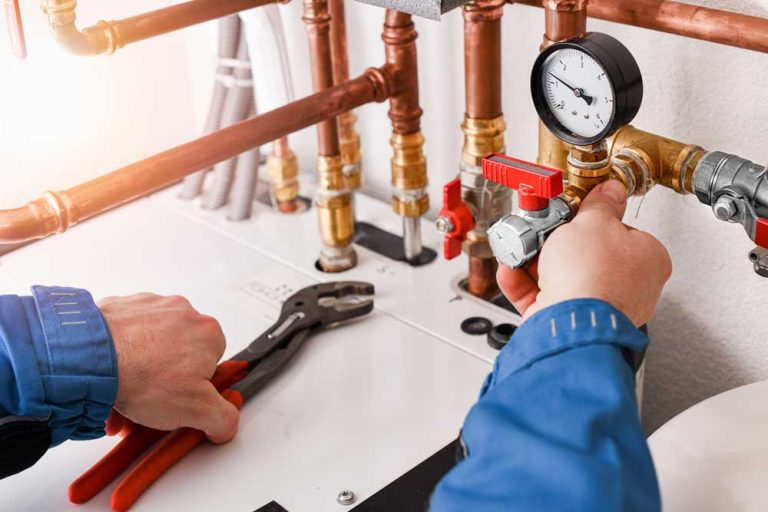
Heat Pump Water Heater Installation in San Francisco
Heat pump water heaters offer an efficient alternative to conventional electric and gas-fired water-heating systems. Rather than generating all of their heat directly, these systems use a refrigeration cycle to capture heat from the surrounding air and transfer it into the stored water. Steven Bailey Plumbing & Rooter installs, repairs, and maintains heat pump water heaters throughout San Francisco and the surrounding Bay Area. For homeowners considering electrification, replacing an aging water heater, or looking for a more efficient hot-water system, a heat pump water heater may be an excellent option when the property and installation location are suitable. A successful heat pump water heater installation requires more than selecting the correct tank capacity. Available space, airflow, electrical service, condensate drainage, ambient temperature, noise, plumbing configuration, and household hot-water demand should all be evaluated before equipment is selected.
How Heat Pump Water Heaters Work
A heat pump water heater operates similarly to a refrigerator or air-conditioning system, but the heat transfer process is used to heat water. The unit draws surrounding air across an evaporator coil containing refrigerant. The refrigerant absorbs heat from the air, and a compressor raises its temperature. That heat is then transferred through the system to the water stored inside the tank. Because the equipment moves existing heat rather than relying entirely on electric resistance elements to create heat, heat pump water heaters can operate much more efficiently than conventional electric storage water heaters. Most residential models also contain electric resistance heating elements. These can supplement the heat pump during periods of unusually high hot-water demand or when operating conditions make additional heating capacity necessary.
Benefits of a Heat Pump Water Heater
For an appropriate property, a heat pump water heater can provide several advantages, including improved energy efficiency, reduced dependence on natural gas, and the ability to integrate water heating into a broader home-electrification plan. Modern systems can also provide multiple operating modes that allow homeowners to balance efficiency, recovery speed, and hot-water demand. Because heat pump water heaters remove heat from the surrounding air, they can also slightly cool and dehumidify the space in which they operate. This can be beneficial in some garages, basements, and utility spaces, although it is another reason installation location should be considered carefully.
Proper Heat Pump Water Heater Sizing
Tank capacity remains important even with highly efficient equipment. We evaluate the number of occupants, bathrooms, fixture usage, expected periods of high demand, and the recovery characteristics of the selected equipment before recommending a water heater. An undersized system may rely more frequently on its backup resistance elements or may struggle to keep pace with heavy hot-water demand. An appropriately sized system allows the heat-pump portion of the equipment to perform more of the heating work while still providing sufficient stored hot water for the household.
Installation Location and Airflow Requirements
Heat pump water heaters require access to surrounding air in order to operate efficiently. Manufacturer requirements vary considerably between models, so we evaluate the proposed installation area rather than relying on a single universal minimum room size. Garages, basements, mechanical rooms, and sufficiently sized utility areas can often be appropriate locations. Smaller enclosed spaces may require ducting, transfer grilles, louvered doors, or another manufacturer-approved method of providing sufficient airflow. The location should also provide adequate service access for future maintenance and repair.
Electrical Requirements
Heat pump water heaters are electrically powered, but electrical requirements vary by model. Many traditional hybrid models use a dedicated 240-volt circuit, while newer equipment options may have different electrical requirements. Existing panel capacity, branch circuitry, wiring, and the requirements of the specific equipment should therefore be evaluated before installation. When replacing a gas water heater with a heat pump system, electrical work may be required because the previous water-heater location may not already have the necessary circuit. We evaluate the existing installation before recommending equipment so that electrical requirements can be identified as part of the project rather than discovered after the old water heater has been removed.
Condensate Drainage
Heat pump water heaters produce condensate as moisture is removed from the surrounding air. That condensate must be routed to an appropriate drainage location or handled using another approved method when gravity drainage is not available. The drainage system should be installed so that condensate can leave the equipment reliably without creating water damage or maintenance problems around the heater.
Noise and Placement
Unlike a conventional electric storage water heater, a heat pump water heater contains a compressor and fan. Modern equipment is designed for residential use, but some operating noise should be expected. For this reason, placement near bedrooms or other noise-sensitive living areas should be considered carefully. We look at equipment specifications and the proposed installation location when helping homeowners decide whether a particular model is appropriate for the property.
Replacing a Gas Water Heater With a Heat Pump Water Heater
Converting from a gas-fired water heater to a heat pump system can involve additional work beyond changing the equipment. Depending on the existing installation, the project may require electrical work, changes to water piping, condensate drainage, abandonment or modification of gas piping, and changes to the existing venting system. Removing a gas appliance can also affect broader household electrification goals, particularly for homeowners who plan to eventually convert additional appliances away from natural gas. We evaluate these conditions before providing a proposal so the customer can understand the complete scope of the conversion.
Heat Pump Water Heater Maintenance
Heat pump water heaters require routine maintenance just like other water-heating systems. Typical maintenance may include cleaning or replacing the air filter, inspecting condensate drainage, checking accessible plumbing connections, flushing accumulated tank sediment when appropriate, inspecting the anode protection system, and reviewing the equipment for stored error codes or abnormal operation. Keeping the air filter clean is particularly important because restricted airflow can reduce heat-pump performance. Maintenance requirements vary by manufacturer and model, so the equipment manufacturer’s instructions should also be followed.
Heat Pump Water Heater Repair
Modern heat pump water heaters incorporate electronic controls, temperature sensors, fans, compressors, heating elements, wiring harnesses, and other components. Problems may include insufficient hot water, fan failure, sensor faults, control-board errors, condensate issues, electrical problems, or the equipment relying excessively on backup heating. Accurate diagnosis is important because the symptoms of a failed component can sometimes resemble an installation or airflow problem. Steven Bailey Plumbing & Rooter provides heat pump water heater troubleshooting and repair in addition to complete installation and replacement.
Rebates and Incentive Programs
Energy-efficiency incentives for heat pump water heaters change frequently and may depend on funding availability, household income, utility territory, equipment specifications, and installation date. Customers considering a heat pump water heater should verify currently available programs before relying on a rebate or tax incentive when budgeting for a project. We recommend reviewing current state, utility, and local programs at the time of installation rather than assuming that incentives advertised in previous years remain available.
Financing for Heat Pump Water Heater Installation
Converting to a heat pump water heater can require additional improvements such as electrical work, piping modifications, condensate drainage, or changes to an existing gas-water-heater installation. Steven Bailey Plumbing & Rooter offers financing for qualifying projects up to $65,000 through Wisetack, allowing eligible customers to explore monthly payment options for qualifying water-heating and plumbing projects. Financing may be helpful for heat pump water heater replacements, larger electrification projects, water-heater conversions, and other substantial plumbing improvements. For additional information, review our financing options.
Heat Pump Water Heater Service in San Francisco
Steven Bailey Plumbing & Rooter provides heat pump water heater installation, replacement, maintenance, and repair throughout San Francisco and the surrounding Bay Area. Whether you are replacing a failed water heater, considering a conversion from gas, or planning a broader home-efficiency upgrade, we evaluate the existing plumbing, electrical requirements, installation space, drainage, airflow, and hot-water demand before recommending equipment. Our goal is to install a system that makes sense for the property and can be properly maintained and serviced over the long term.