Signs Your Sewer Line May Be Failing in San Mateo County
Most homeowners rarely think about their sewer line until a serious plumbing problem develops. Because sewer lines are buried underground, problems often go unnoticed until they begin affecting sinks, showers, toilets, and other plumbing fixtures throughout the home. Unfortunately, by the time a sewer backup occurs, the damage and repair costs can be substantial.
Throughout San Mateo County, sewer line problems are particularly common due to aging infrastructure, mature landscaping, tree root intrusion, shifting soil conditions, and older plumbing systems that have been in service for decades. Communities throughout the Peninsula, including San Mateo, Burlingame, Belmont, San Carlos, Foster City, Redwood City, Hillsborough, and surrounding areas, contain many homes built during periods when clay, cast iron, or older sewer materials were standard construction practices.
Understanding the early warning signs of sewer line failure can help homeowners identify problems before they become expensive emergencies.
Why Sewer Line Problems Are Common in San Mateo County
Many homes throughout San Mateo County were built between the 1940s and 1980s. While these homes often feature desirable neighborhoods and established landscaping, they may also contain aging sewer laterals and underground drain systems that are reaching the end of their expected lifespan.
Several local factors contribute to sewer line issues:
- Mature trees and extensive root systems
- Aging clay and cast-iron sewer pipes
- Soil movement and ground settlement
- Corrosion within older sewer lines
- Scale buildup and debris accumulation
- Decades of wear and tear
- Increased household water usage
Because these issues develop gradually, homeowners often receive warning signs months or even years before a complete sewer failure occurs.
1. Multiple Slow Drains Throughout the Home
One of the earliest signs of a sewer line problem is when multiple fixtures begin draining slowly.
For example:
- Kitchen sink drains slowly
- Shower water pools around your feet
- Bathroom sinks take longer to empty
- Laundry drains back up
A single slow drain usually indicates a localized clog. However, when multiple fixtures throughout the home are affected simultaneously, the issue often originates within the main sewer line.
As the sewer line becomes increasingly restricted, wastewater has difficulty flowing properly toward the municipal sewer system.
2. Frequent Drain Clogs
If you’re constantly reaching for drain cleaners or scheduling drain cleaning services, your plumbing system may be trying to tell you something.
Recurring clogs often indicate:
- Tree root intrusion
- Sewer line scale buildup
- Pipe deterioration
- Partial blockages
- Sewer line collapse
Temporary drain clearing may provide short-term relief, but repeated clogging usually signals a larger underlying issue.
3. Gurgling Toilets and Drains
Many homeowners are surprised to learn that strange plumbing noises can indicate sewer trouble.
Gurgling sounds occur when trapped air is forced through water-filled pipes. As sewer line restrictions increase, airflow becomes disrupted within the plumbing system.
You may notice:
- Toilets bubbling after flushing
- Gurgling sink drains
- Strange noises from shower drains
- Air bubbles appearing in toilets
These symptoms often appear long before a major backup occurs.
4. Sewage Odors Around Your Property
Your sewer system should remain completely sealed.
If you begin noticing unpleasant sewer odors inside your home, crawlspace, garage, or yard, it’s important to investigate the issue promptly.
Possible causes include:
- Cracked sewer pipes
- Broken sewer joints
- Sewer backups
- Damaged vent systems
- Leaking sewer laterals
Persistent sewer odors are never normal and should be professionally evaluated.
5. Water Backing Up Into Lower Fixtures
One of the more serious warning signs of sewer line blockage is wastewater backing up into lower plumbing fixtures.
Common examples include:
- Water appearing in showers when toilets are flushed
- Water backing into tubs
- Basement floor drain backups
- Overflowing toilets
Because wastewater follows the path of least resistance, lower fixtures often become the first point of backup.
6. Wet Areas in the Yard
A leaking sewer line can release wastewater underground, creating unusual conditions in your landscape.
You may notice:
- Soggy patches of grass
- Standing water
- Unusually green vegetation
- Sunken areas
- Soft soil
These symptoms can indicate underground sewer leakage even when no plumbing fixtures inside the home appear affected.
7. Tree Root Intrusion
Tree roots are among the leading causes of sewer line damage throughout San Mateo County.
Roots naturally seek moisture. Even the smallest crack or pipe joint can attract roots searching for water.
Over time, roots may:
- Block wastewater flow
- Separate pipe joints
- Crack sewer lines
- Cause complete sewer collapse
Properties with mature trees should periodically inspect their sewer systems to identify root intrusion before significant damage occurs.
8. Increased Pest Activity
Damaged sewer lines can attract unwanted pests.
Rodents, insects, and other pests may gain access through broken underground pipes. In some cases, sewer damage provides direct pathways into homes and crawlspaces.
Unexpected pest activity can sometimes indicate underlying sewer issues.
9. Foundation and Structural Concerns
Long-term sewer leaks can affect the soil beneath a home’s foundation.
Excess moisture may contribute to:
- Soil erosion
- Foundation settlement
- Cracking
- Structural movement
While these issues often develop gradually, they can become costly if sewer leaks remain unresolved for extended periods.
10. Aging Sewer Laterals
Many homeowners don’t realize their property’s sewer lateral is their responsibility.
The sewer lateral is the pipe connecting your home to the municipal sewer system.
Older sewer laterals may suffer from:
- Corrosion
- Cracking
- Root intrusion
- Pipe offsets
- Ground movement
Regular inspections can identify deterioration before complete failure occurs.
How Sewer Camera Inspections Help
Modern sewer diagnostics have transformed how plumbers identify underground issues.
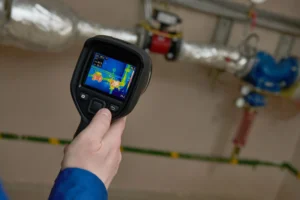
Using high-resolution sewer cameras, plumbers can inspect the interior condition of underground sewer lines without excavation.
Camera inspections can reveal:
- Root intrusion
- Pipe cracks
- Pipe collapse
- Grease buildup
- Scale accumulation
- Offset joints
- Sewer bellies
- Foreign objects
This technology allows homeowners to make informed repair decisions based on actual pipe conditions.
Is Hydro Jetting the Right Solution?
Hydro jetting is one of the most effective methods for cleaning sewer and drain lines.
Using highly pressurized water, hydro jetting removes:
- Tree roots
- Grease
- Sludge
- Mineral deposits
- Debris accumulation
For many San Mateo County homes, hydro jetting provides a longer-lasting solution than traditional snaking methods.
However, a sewer camera inspection should be performed first to confirm the pipe condition.
Preventing Future Sewer Problems
While no sewer system lasts forever, homeowners can take steps to reduce the likelihood of major failures.
Helpful preventative measures include:
- Scheduling periodic sewer inspections
- Addressing slow drains promptly
- Avoiding grease disposal in drains
- Installing root barriers when appropriate
- Scheduling preventative hydro jetting
- Monitoring mature trees near sewer lines
- Repairing minor issues before they worsen
Proactive maintenance often costs far less than emergency sewer replacement.
When Should You Call a Professional Plumber?
If you’re experiencing multiple sewer warning signs, professional evaluation is strongly recommended.
The sooner sewer issues are identified, the more repair options are typically available. Waiting until a complete backup occurs often results in more extensive repairs and higher costs.
Steven Bailey Plumbing Sewer Services
Steven Bailey Plumbing provides professional sewer inspections, sewer camera diagnostics, hydro jetting, sewer cleaning, sewer repair, and sewer replacement services throughout San Mateo County and the Peninsula.
Whether you’re experiencing slow drains, recurring clogs, sewer odors, or signs of underground sewer damage, our experienced team can accurately diagnose the problem and recommend the most effective solution.
Frequently Asked Questions
How long do sewer lines last?
Depending on the material, sewer lines may last anywhere from 40 to over 100 years. Clay and cast-iron systems often require closer monitoring as they age.
Are tree roots really that common?
Yes. Tree root intrusion is one of the most common sewer line problems throughout San Mateo County due to mature landscaping.
How often should sewer lines be inspected?
Older homes and properties with large trees often benefit from camera inspections every few years.
Can hydro jetting damage older pipes?
When properly evaluated beforehand, hydro jetting is safe for many sewer systems. A camera inspection helps determine whether the pipe is suitable for hydro jetting.
What is the first sign of sewer line failure?
Slow drains throughout multiple fixtures are often one of the earliest warning signs.